Research Thrust 1: Multi-modal AI for genomics and health
While non-invasive medical imaging and genetics have been the main tools of disease diagnosis and tracking of disease progression for nearly half a century, these heterogenous types of datasets have largely been collected in isolation. Recently, large scale biobanks have released imaging, genetic and health record data at the scale of hundreds of thousands of people. To leverage this towards biological insights, we develop Multi-modal AI models:
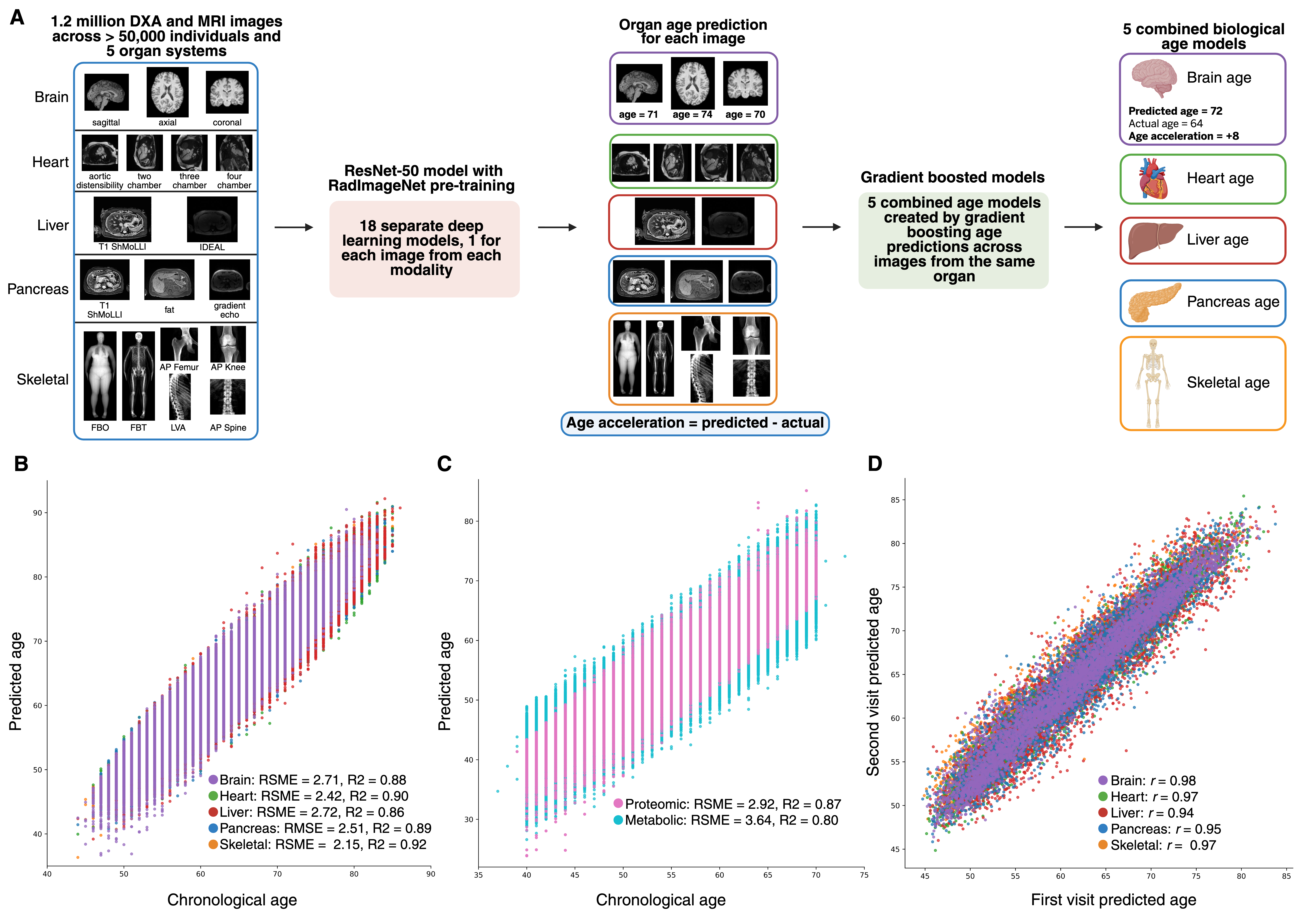
a) To understand and reverse human aging
In order to slow down aging, we first need to measure it. We have built deep learning models on >1.2M images to quantify biological age in an organ specific way, and have connected this to it's genetic basis through Genome Wide Association Studies. We have then followed this up with functional experiments in C Elegans to validate our human genetic associations and have identified genes that can affect lifespan in both humans and worms
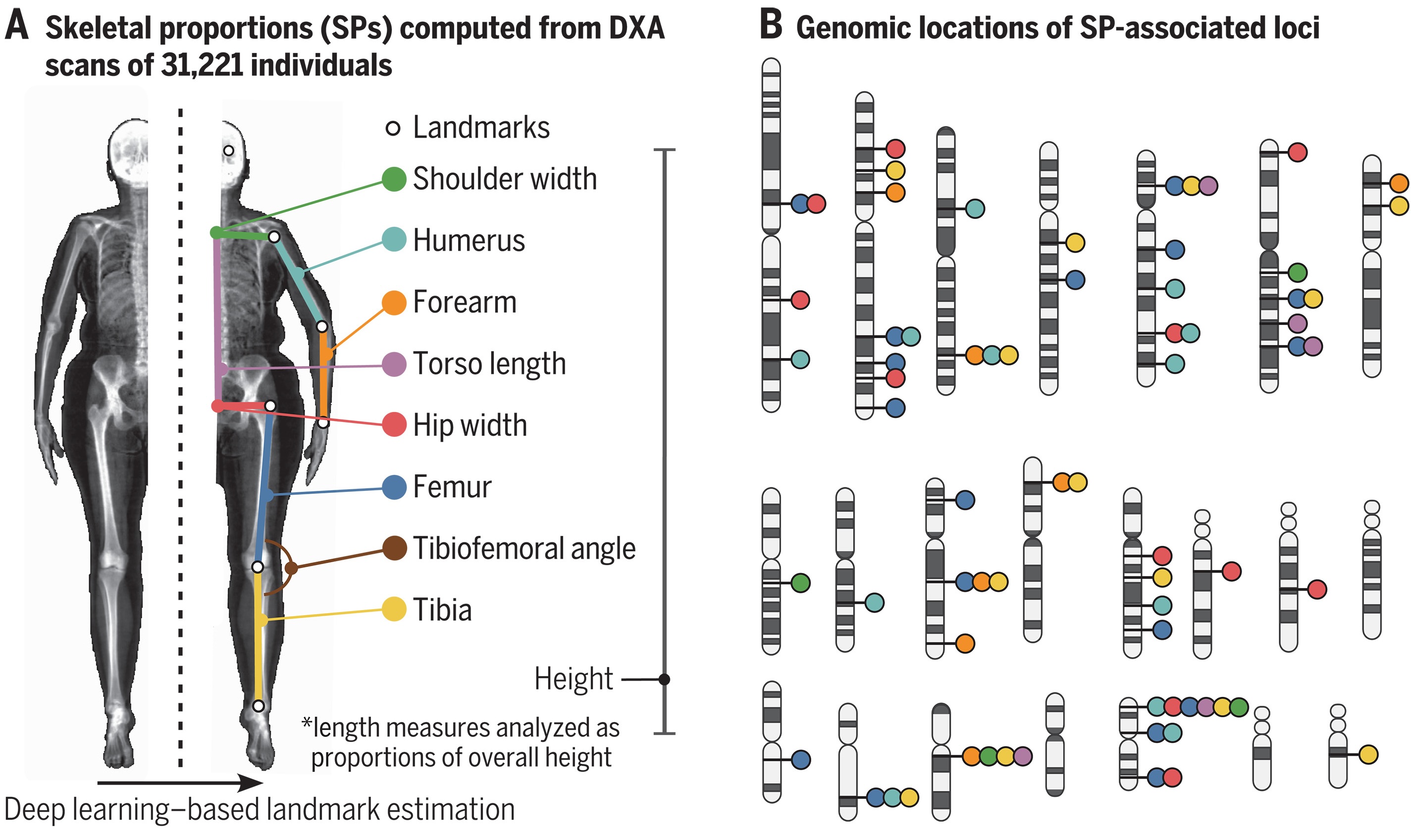
b) Deep learning enabled precision phenotyping to accelerate drug discovery
Like GLP-1 the new class of blockbuster drugs that have come into the market in the past 5 years have been gene agonists/inhibitors. Through partnerships with several pharmaceutical companies we are working on discovering genetic targets of disease in the musculoskeletal space, with a focus on achondroplasia/hypochondroplasia, and osteoarthritis which currently has no therapeutic treatment. By performing deep learning based precision phenotyping of imaging data and connecting this to genetics, we have uncovered several novel loci associated with several musculoskeletal disorders and are working to bring drugs that target these to the clinic.
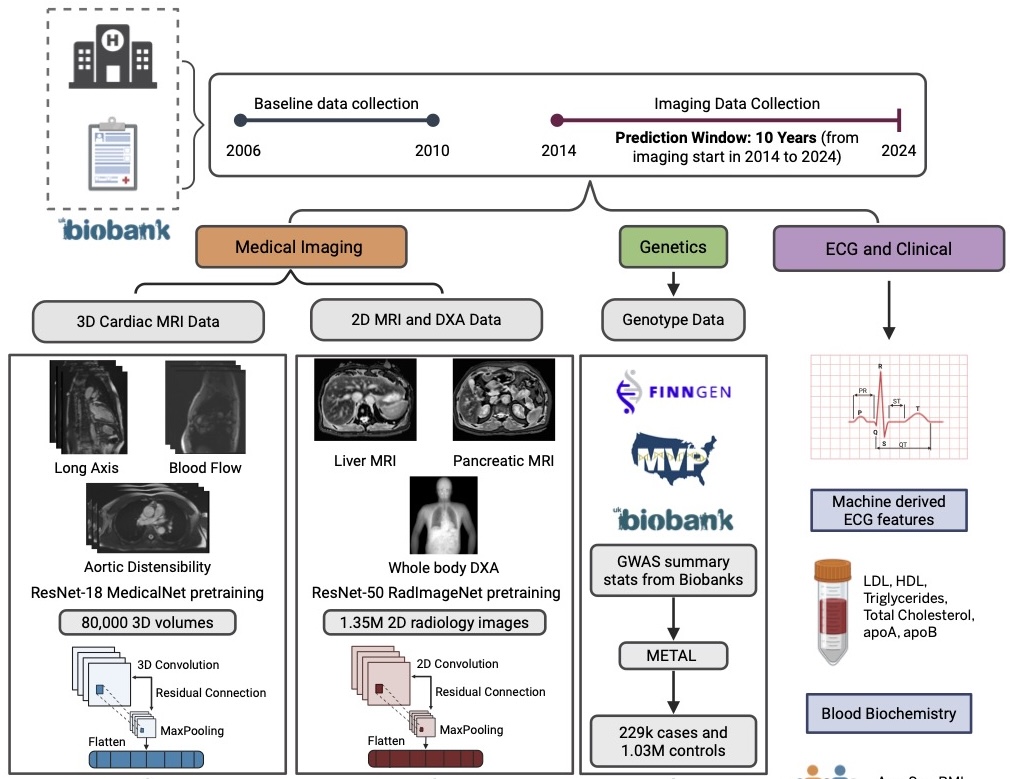
c) To enable medical forecasting
An open challenge in medical science is to predict common disorders, years if not decades in advance so we can intervene before they progress. We have built multi-modal AI models to combine virtually all classes of data imaging across 5 different organ systems, blood biochemistry, ECGs, genetics and other demographic variables towards 10-year incidence of disease in thousands of individuals. Through partnerships from local philanthropic organizations we are working on developing a prospective trial to prevent premature death due to coronary artery disease in the state of Texas
Research Thrust 2: Unlocking the power of the time dimension of genetic data through Ancient DNA
The ability to sequence genetic material from skeletal remains thousands of years old has revolutionized the field of human genetics by adding the important dimension of time to genetic sequences. We sequence and analyze this new and revolutionary type of genomic information to understand human evolution
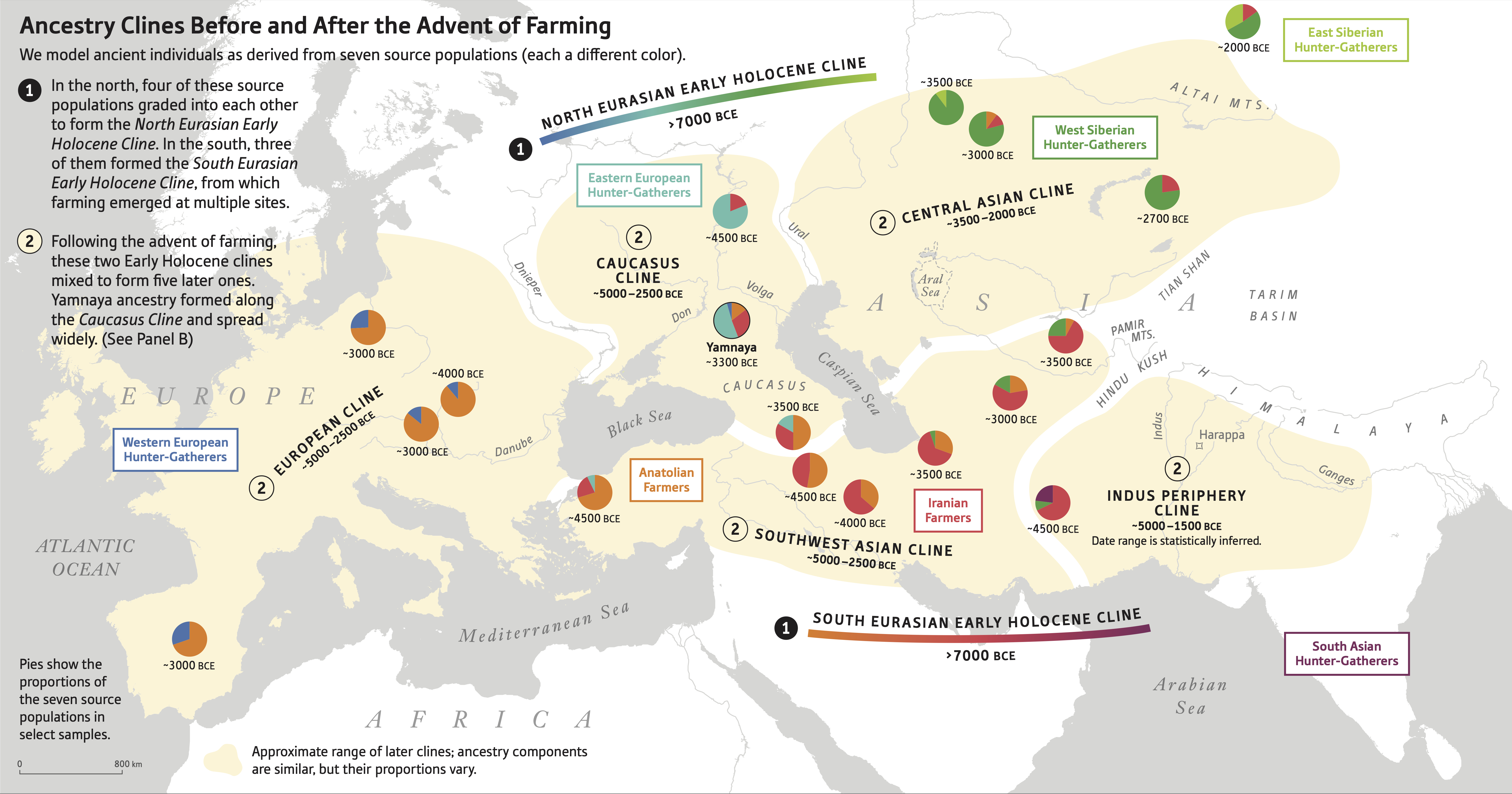
a) Understanding human history
Through collaborations worldwide, we leverage genomic time series data to trace human migration, admixture, and adaptation, connecting past evolutionary events to present-day genetic diversity.
b) Building new computational methods for ancient DNA
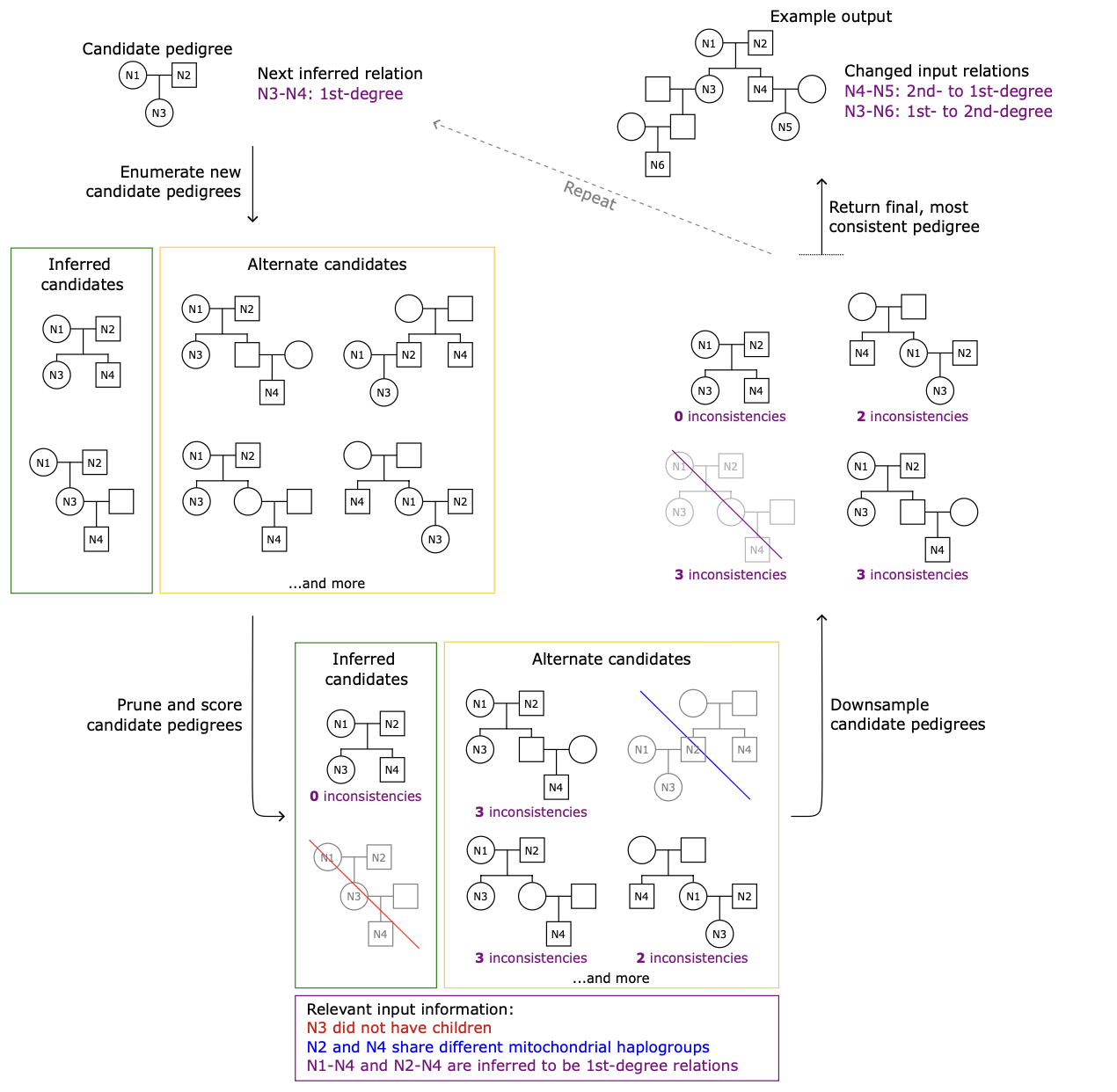
Our lab designs statistical and computational tools to analyze ancient DNA data at scale, integrating temporal information to reconstruct human population dynamics over thousands of years.